甲烷羽流检测
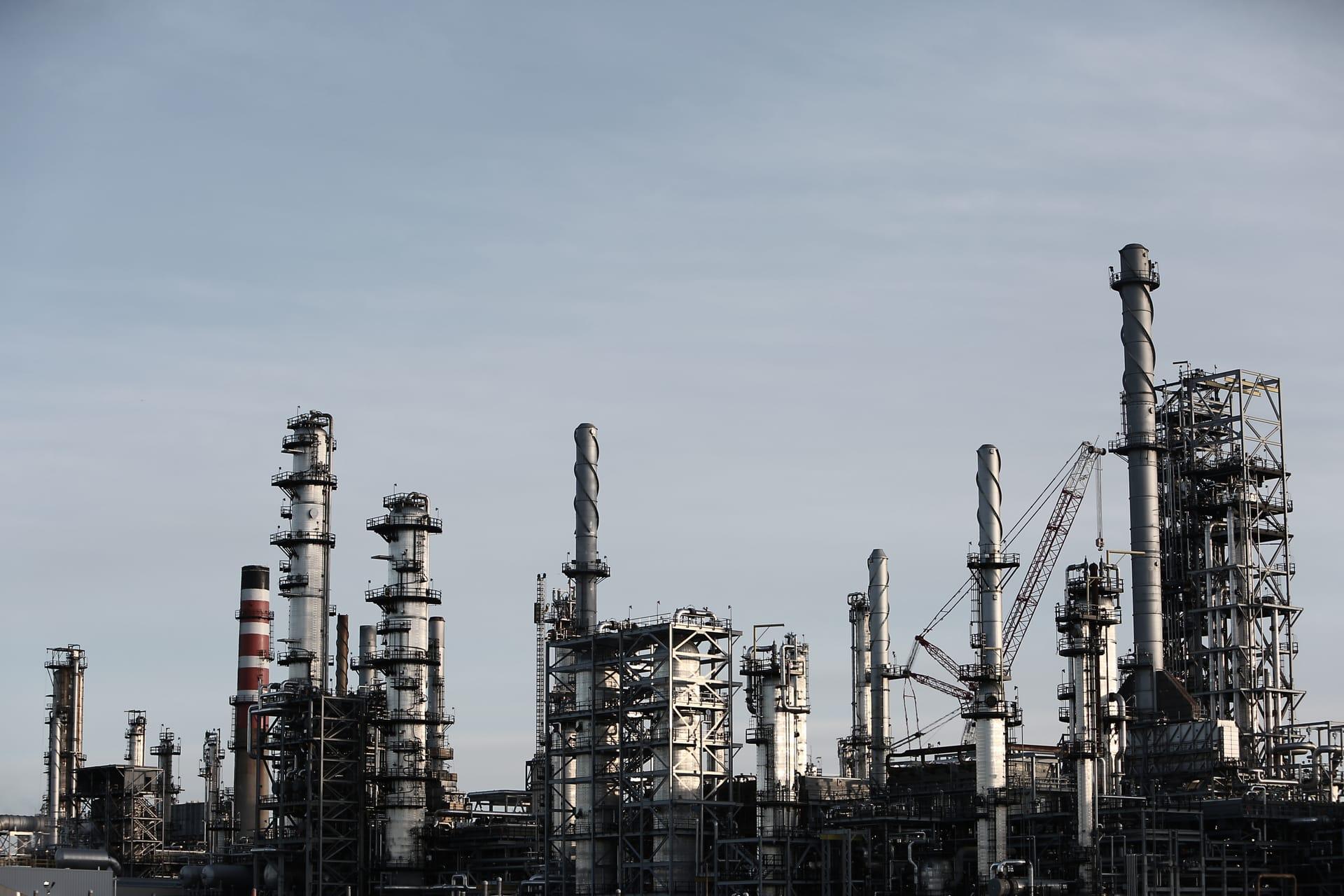
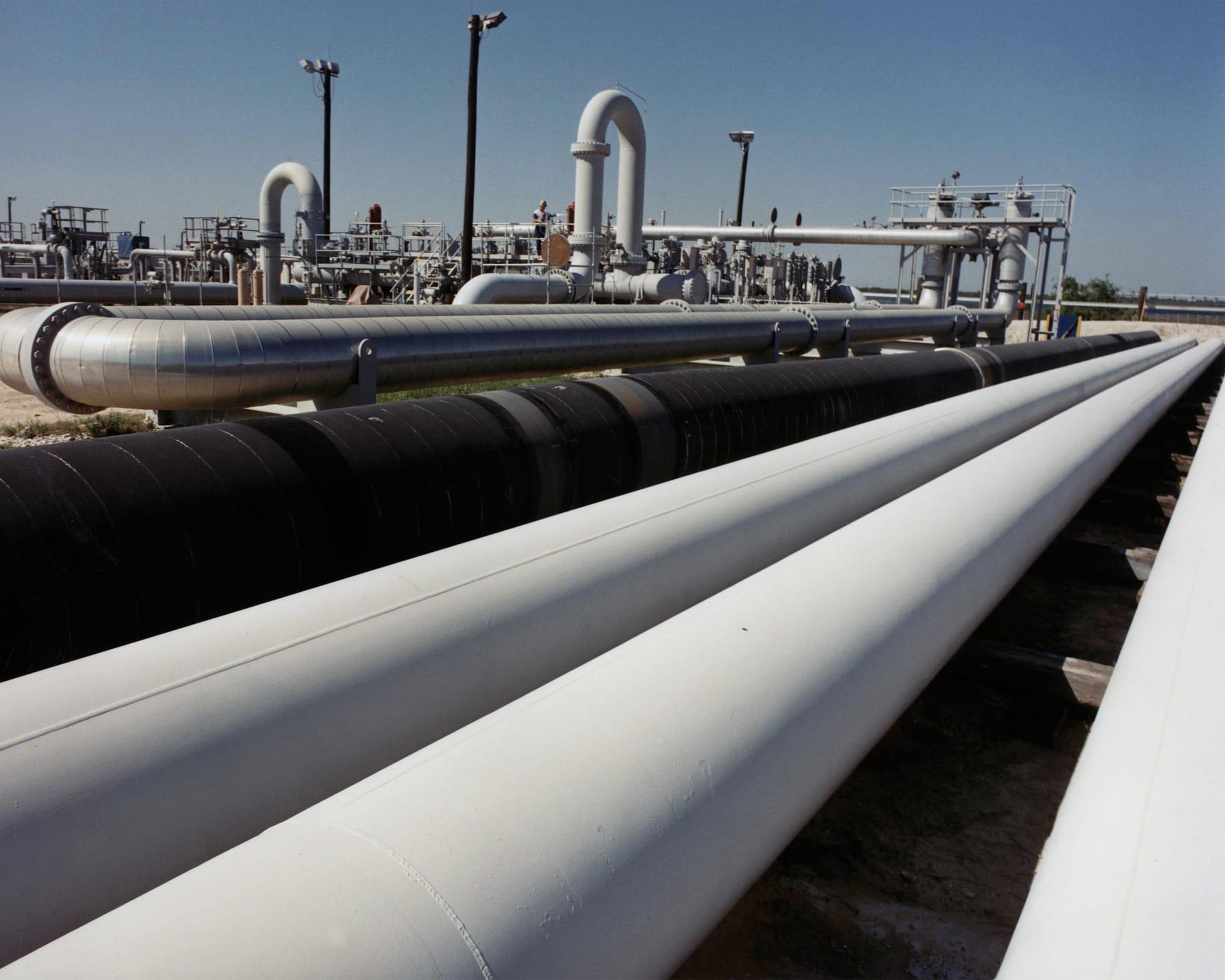
覆盖井场、压缩机站与处理设施的点源羽流轮廓,来自免费高光谱影像库。
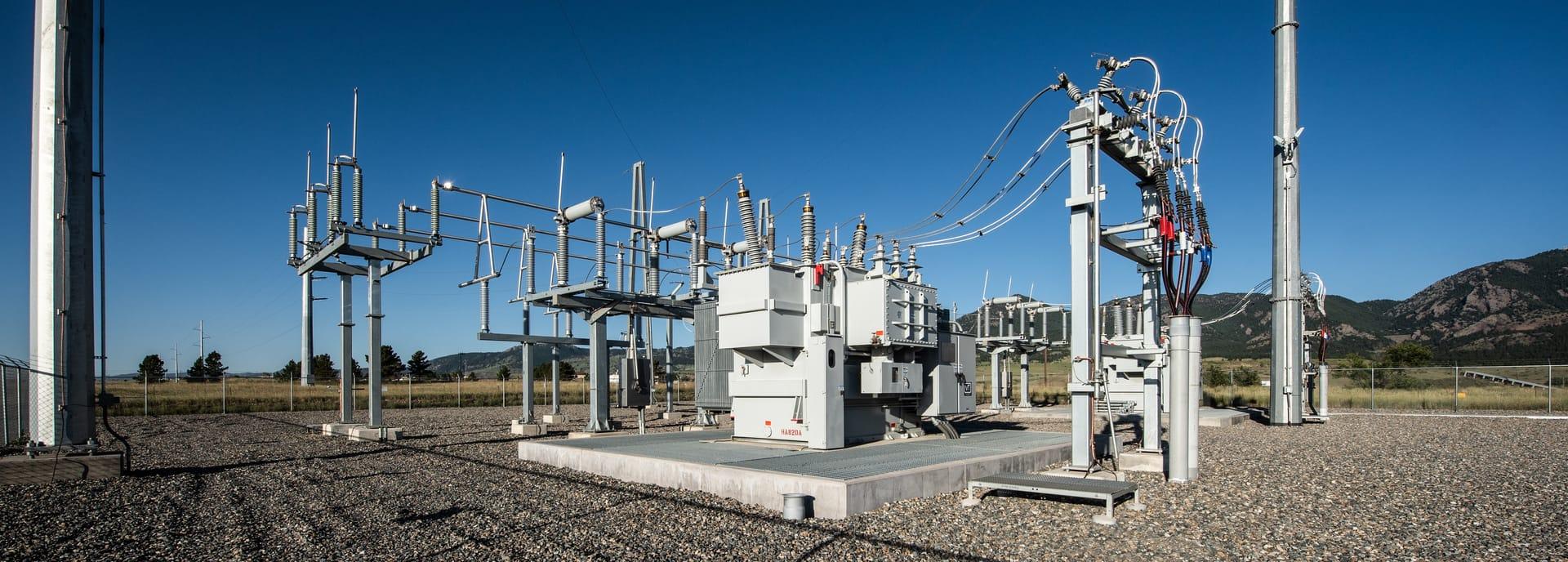
油气设施上空的柱浓度增强。经评审的公开羽流产品连同溯源信息透传,我们自己的滤波器作为筛查同步运行。
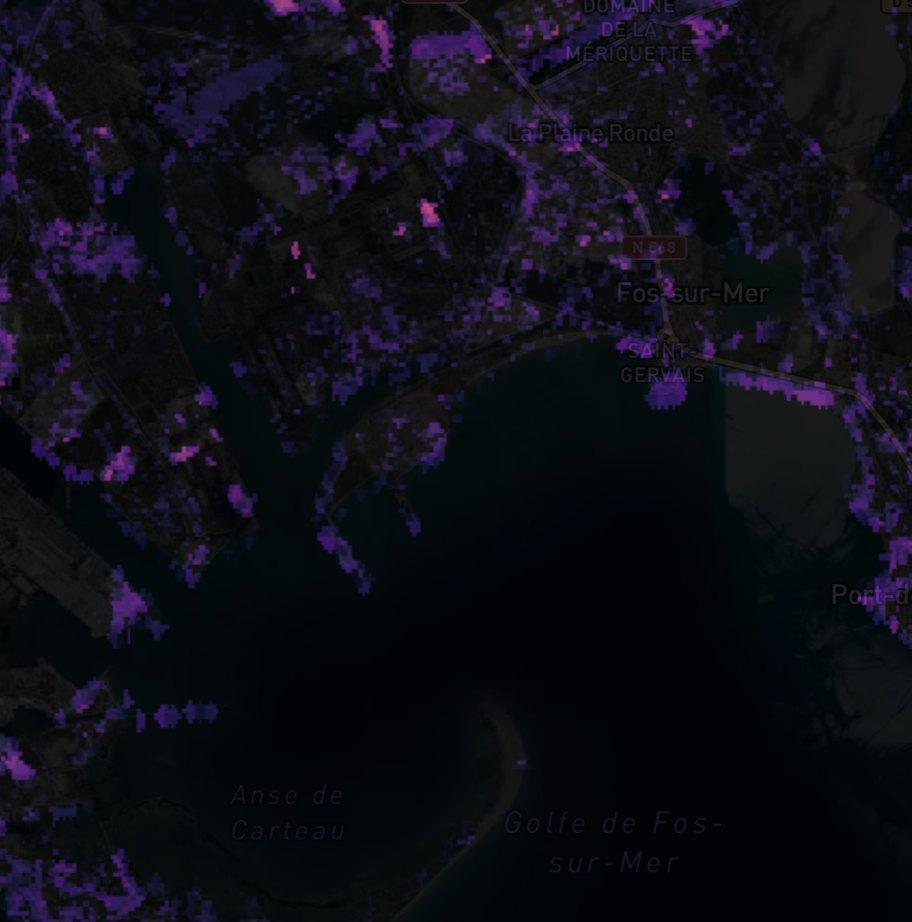
Point-source methane column enhancement over oil and gas infrastructure, drawn from the open hyperspectral archive.
传感器看到什么
这个图层在寻找什么。
每种材料的实验室参考光谱,以及传感器波段间隔能捕捉到的部分。阴影区标示方法读取的范围。
它能发现什么
它检测什么。
| 材料 | 典型产出环境 | 可能的混淆因素 |
|---|---|---|
| Methane column enhancement (ΔCH4) | Wellpads, compressor stations, gas pipelines, coal mine vents, and landfills | Surface carbonate and clay absorb in the same window; dark surfaces return too few photons to retrieve from |
方法
工作原理。
输入校准反射率,每个像元都对照公开参考库进行拟合。
Reviewed plume product ingest
Where a public agency has published a reviewed plume for the scene, it is ingested and passed through with its provenance intact. Missing values stay missing, with a stated reason, and no rate is attached that the publisher did not state.
Columnwise matched filter
Background covariance is estimated per detector column with adjacent columns merged, Schafer-Strimmer shrinkage applied, and brightness deflated jointly so a bright roof does not read as gas.
Noise calibration and confuser rejection
The filter output is scaled against its own negative tail, dark pixels are refused outright, and known surface confusers are rejected before anything is drawn.
Connectivity gate
Isolated hot pixels are discarded. A plume has to hold together spatially to survive, which is the cheapest defence against a filter that will always produce some response.
技术规格
您得到什么,它在什么数据上运行。
所需环境条件
Method and checks are documented in Axine Applied Spectroscopy Paper #2 · Section 3.4.
适用边界
A screening layer that needs sunlight and bright, dry ground. A plume outline is a place to send an inspection.