
Anomalía Térmica de Descarga de Agua
Contraste térmico relativo en descargas de agua de enfriamiento y vertidos industriales, tomado contra el agua ambiente circundante.
Contraste de temperatura de brillo en puntos de descarga, contra una línea base local tomada del agua circundante.
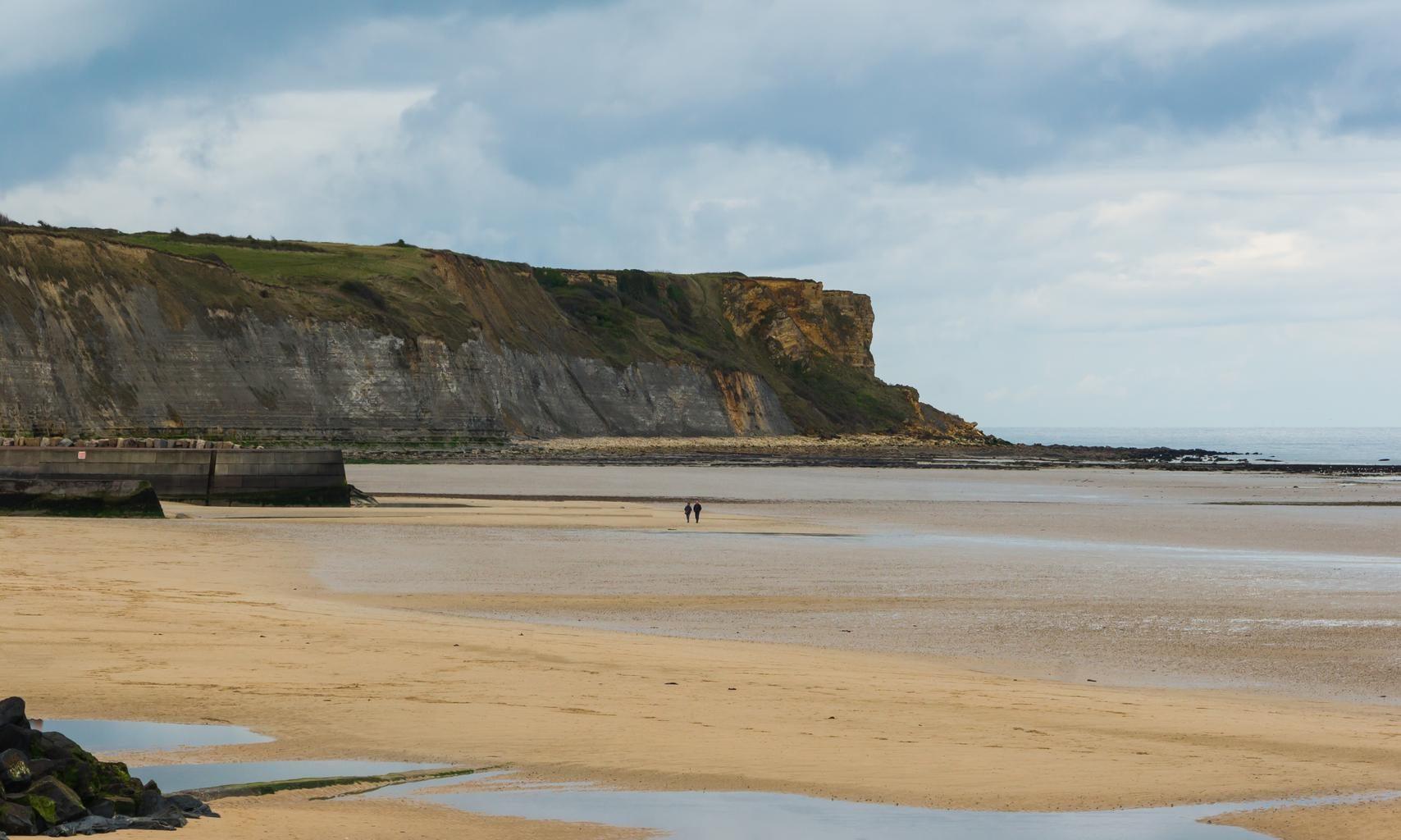
Coastal discharge waters, where thermal contrast is mapped against ambient.
QUÉ ENCUENTRA
Qué detecta.
| Material | Entorno típico | Qué puede confundirlo |
|---|---|---|
| Thermal discharge plumes (relative contrast) | Power plant cooling outfalls, industrial discharge, and hot springs | Atmospheric water vapour, surface roughness, and any cloud at all |
MÉTODO
Cómo funciona.
Entra reflectancia calibrada, y cada píxel se ajusta contra una biblioteca pública de referencia.
Brightness temperature ingest
The thermal band is read at the archive's own brightness temperature level. No emissivity model is applied, so what comes out is not a kinetic temperature and is not presented as one.
Ambient baseline
A local background is computed from water pixels around the outfall, so the plume is expressed against its own river or bay rather than against a global value.
Contrast mapping
The difference field is mapped and contoured. Pixels where cloud, glint or land adjacency make the reading unusable go into the not-evaluated class.
Extent, not dispersion modelling
The plume outline and its area are reported. No mixing model, decay curve or discharge rate is fitted, because none has been validated.
ESPECIFICACIONES
Qué obtiene, y sobre qué corre.
Condiciones que necesita
Method and checks are documented in Axine Applied Spectroscopy Paper #3 · Section 6.2.
Alcance
Relative contrast at the water surface, never an absolute temperature. Cloud-free passes are required.
EJECÚTELO SOBRE SU TERRENO
Ejecute esta capa sobre su propia área.
Ordene procesamiento sobre su área de interés, o una captura programada donde el archivo no tenga nada utilizable. El acceso a las imágenes nunca se cobra: un plan compra los modelos.
ANALÍTICA COMPLEMENTARIA
Capas relacionadas.
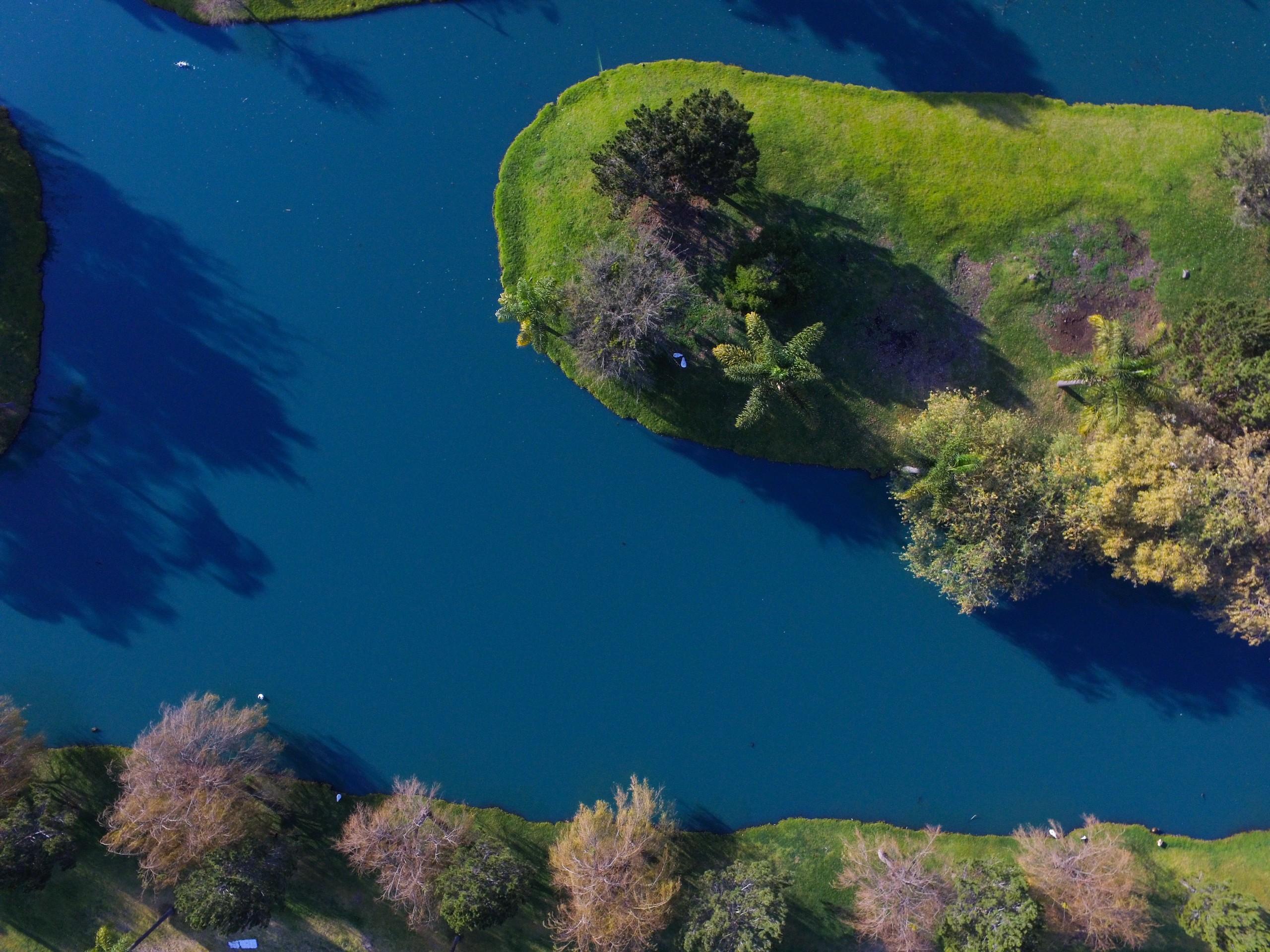
Calidad de Aguas Superficiales
Cribado de pigmento y turbidez en aguas interiores, con ajustes publicados aplicados sin cambios.
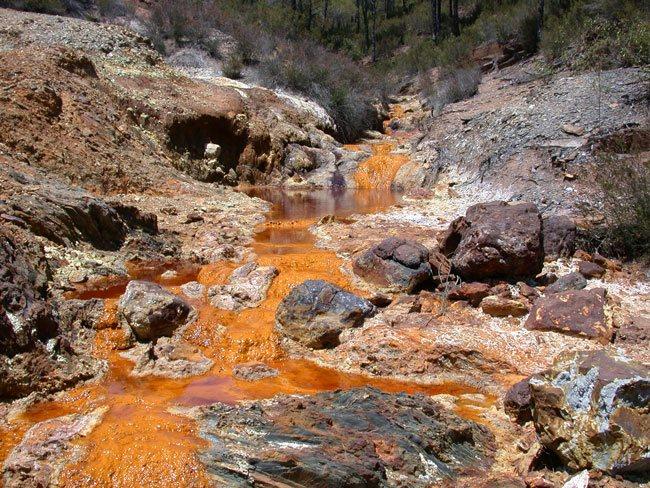
Detección de Drenaje Ácido
Cribado de recubrimientos de precipitados a lo largo de canales de descarga, con un piso férrico condicionando la lectura.
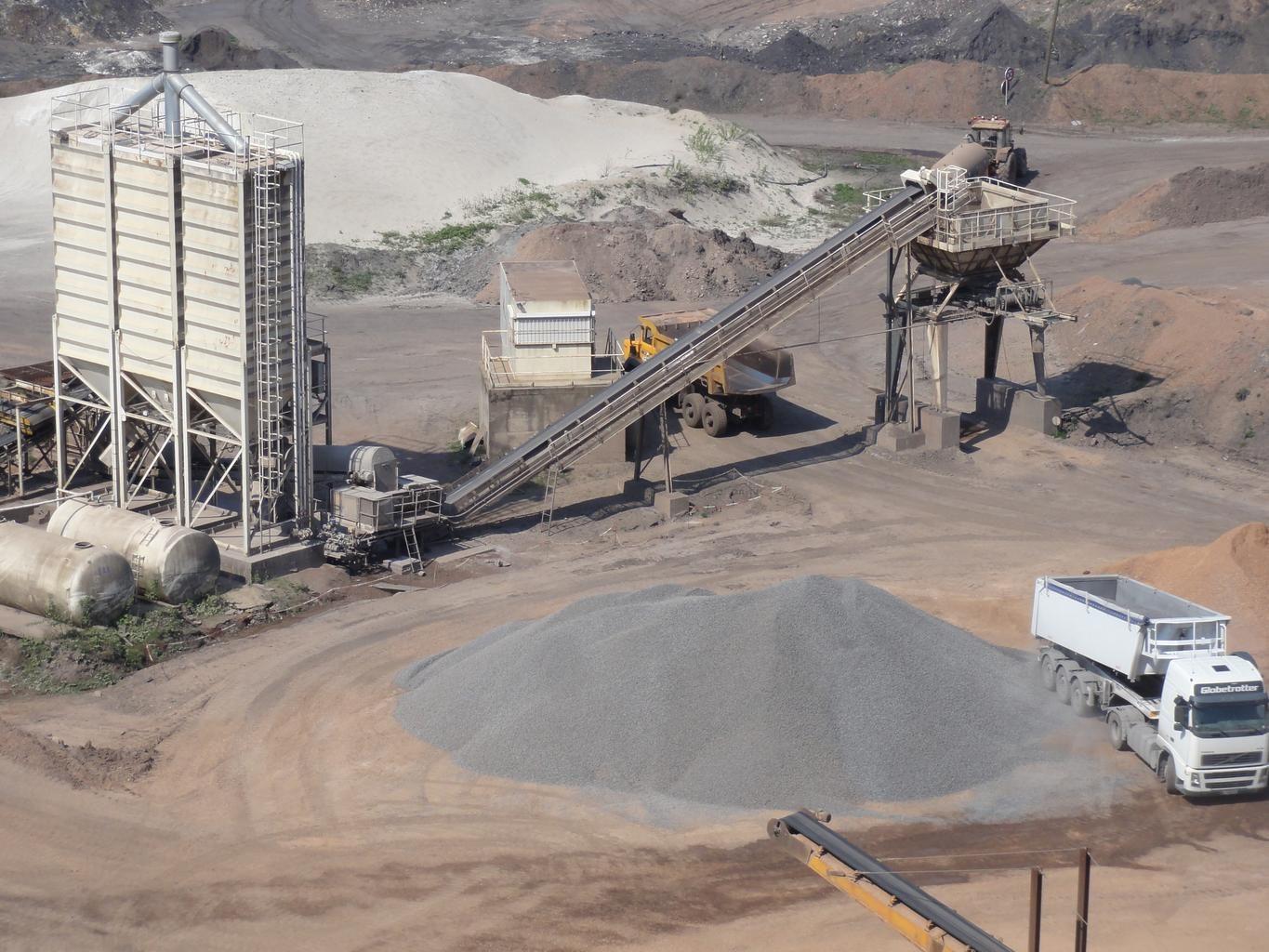
Estabilidad y Filtraciones de Presas de Relaves
Monitorea humedad y meteorización de sulfato en caras expuestas del terraplén, diferenciadas entre fechas.