
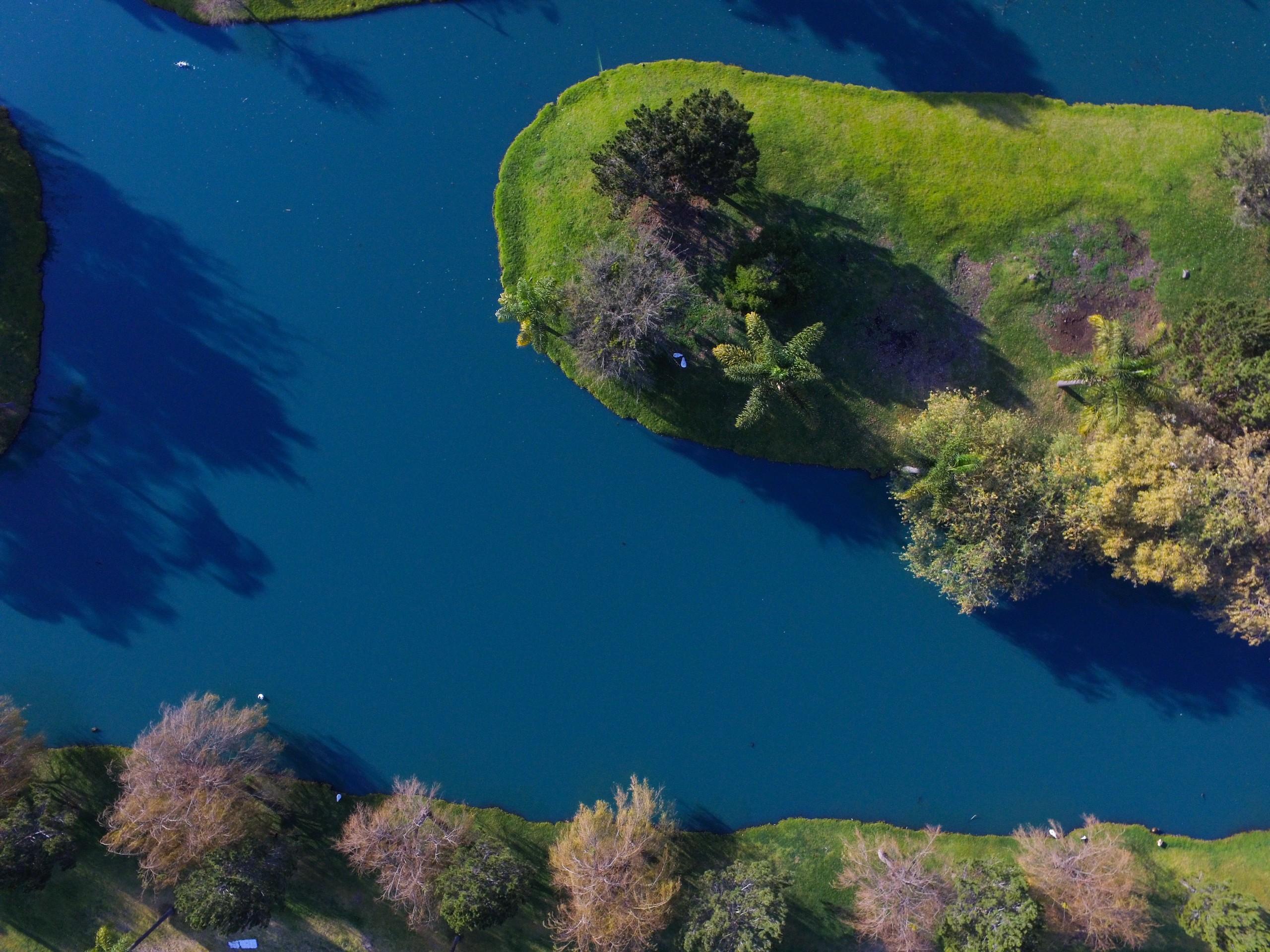
Quantitative bio-optical inversion for inland water monitoring, resolving phycocyanin absorption features (620 nm), chlorophyll-a absorption (665 nm), and total suspended matter scattering across complex Case-2 inland water bodies.
Key findings
- 620 nm phycocyanin absorption dip isolates toxic cyanobacteria blooms from benign green algae with zero false-alarm confusion.
- Semi-analytical bio-optical inversion models retrieve chlorophyll-a concentrations across 0.5–250 µg/L without requiring site-specific statistical re-calibration.
- Acid mine drainage plumes are mapped by automated detection of dissolved ferric iron and secondary jarosite/schwertmannite precipitates.
Read the paper
The full paper, with methodology and citation details, lives on its paper page and is archived with a DOI: https://doi.org/10.5281/zenodo.22132079.