
Detección de Plumas de Metano
Contornos de plumas de fuente puntual sobre plataformas de pozo, estaciones compresoras e instalaciones de procesamiento, desde archivos hiperespectrales gratuitos.
Realce de columna sobre instalaciones de petróleo y gas. Los productos públicos de plumas revisados pasan con su procedencia, y nuestro propio filtro corre en paralelo como cribado.
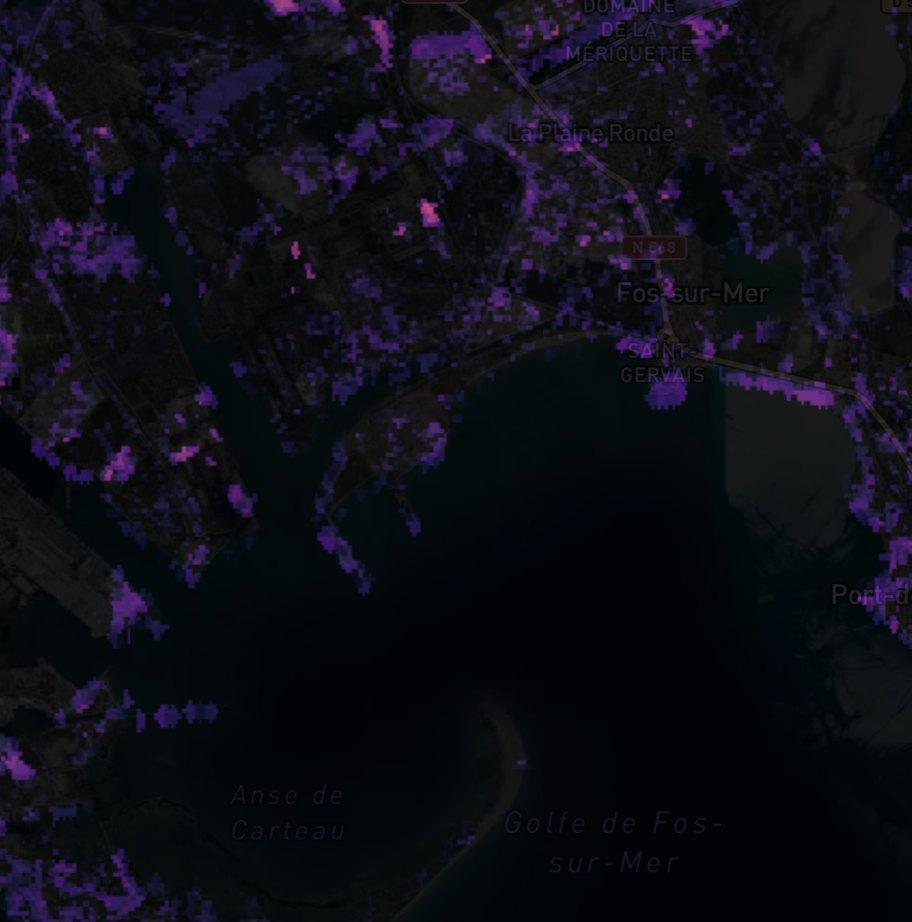
Point-source methane column enhancement over oil and gas infrastructure, drawn from the open hyperspectral archive.
LO QUE VE EL SENSOR
Qué busca esta capa.
La referencia de laboratorio de cada material, y qué captura de ella el espaciado de bandas del sensor. La banda sombreada marca el rango que lee el método.
QUÉ ENCUENTRA
Qué detecta.
| Material | Entorno típico | Qué puede confundirlo |
|---|---|---|
| Methane column enhancement (ΔCH4) | Wellpads, compressor stations, gas pipelines, coal mine vents, and landfills | Surface carbonate and clay absorb in the same window; dark surfaces return too few photons to retrieve from |
MÉTODO
Cómo funciona.
Entra reflectancia calibrada, y cada píxel se ajusta contra una biblioteca pública de referencia.
Reviewed plume product ingest
Where a public agency has published a reviewed plume for the scene, it is ingested and passed through with its provenance intact. Missing values stay missing, with a stated reason, and no rate is attached that the publisher did not state.
Columnwise matched filter
Background covariance is estimated per detector column with adjacent columns merged, Schafer-Strimmer shrinkage applied, and brightness deflated jointly so a bright roof does not read as gas.
Noise calibration and confuser rejection
The filter output is scaled against its own negative tail, dark pixels are refused outright, and known surface confusers are rejected before anything is drawn.
Connectivity gate
Isolated hot pixels are discarded. A plume has to hold together spatially to survive, which is the cheapest defence against a filter that will always produce some response.
ESPECIFICACIONES
Qué obtiene, y sobre qué corre.
Condiciones que necesita
Method and checks are documented in Axine Applied Spectroscopy Paper #2 · Section 3.4.
Alcance
A screening layer that needs sunlight and bright, dry ground. A plume outline is a place to send an inspection.
EJECÚTELO SOBRE SU TERRENO
Ejecute esta capa sobre su propia área.
Ordene procesamiento sobre su área de interés, o una captura programada donde el archivo no tenga nada utilizable. El acceso a las imágenes nunca se cobra: un plan compra los modelos.
ANALÍTICA COMPLEMENTARIA
Capas relacionadas.
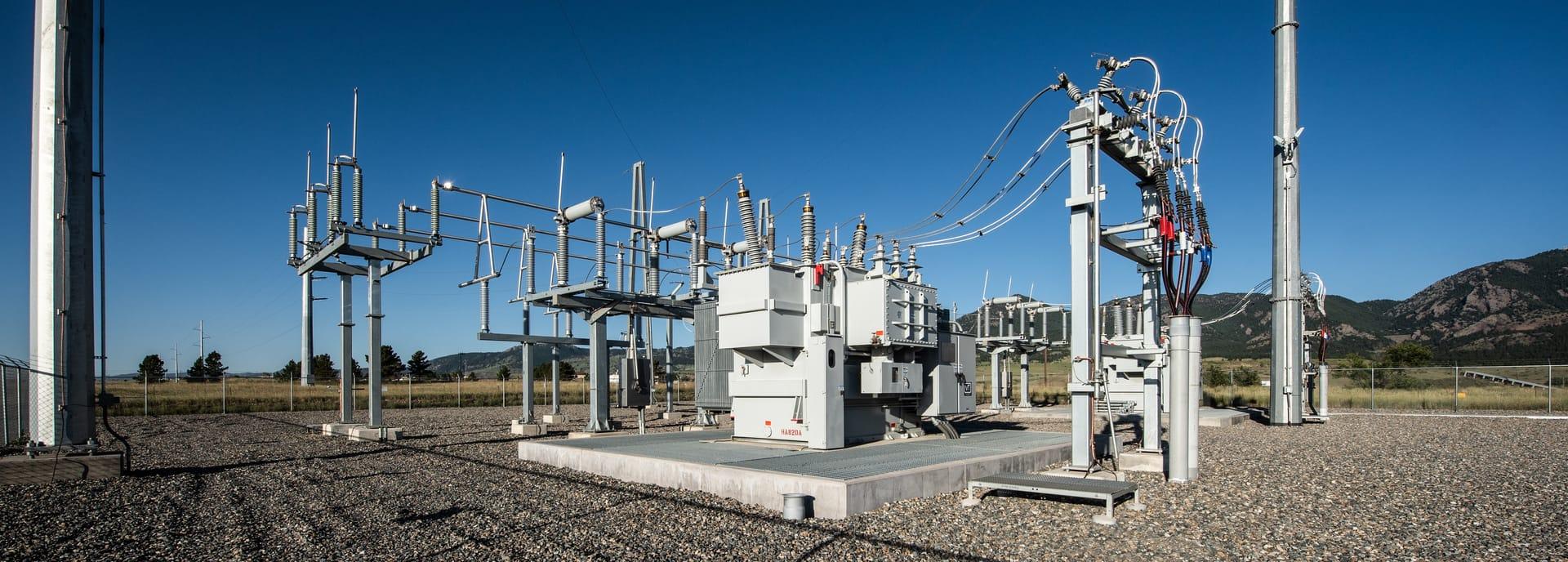
Mapeo de Cubiertas Geotérmicas
Encuentra cubiertas de reservorios activos y fósiles mediante minerales de amonio, alunita y sínter silíceo.
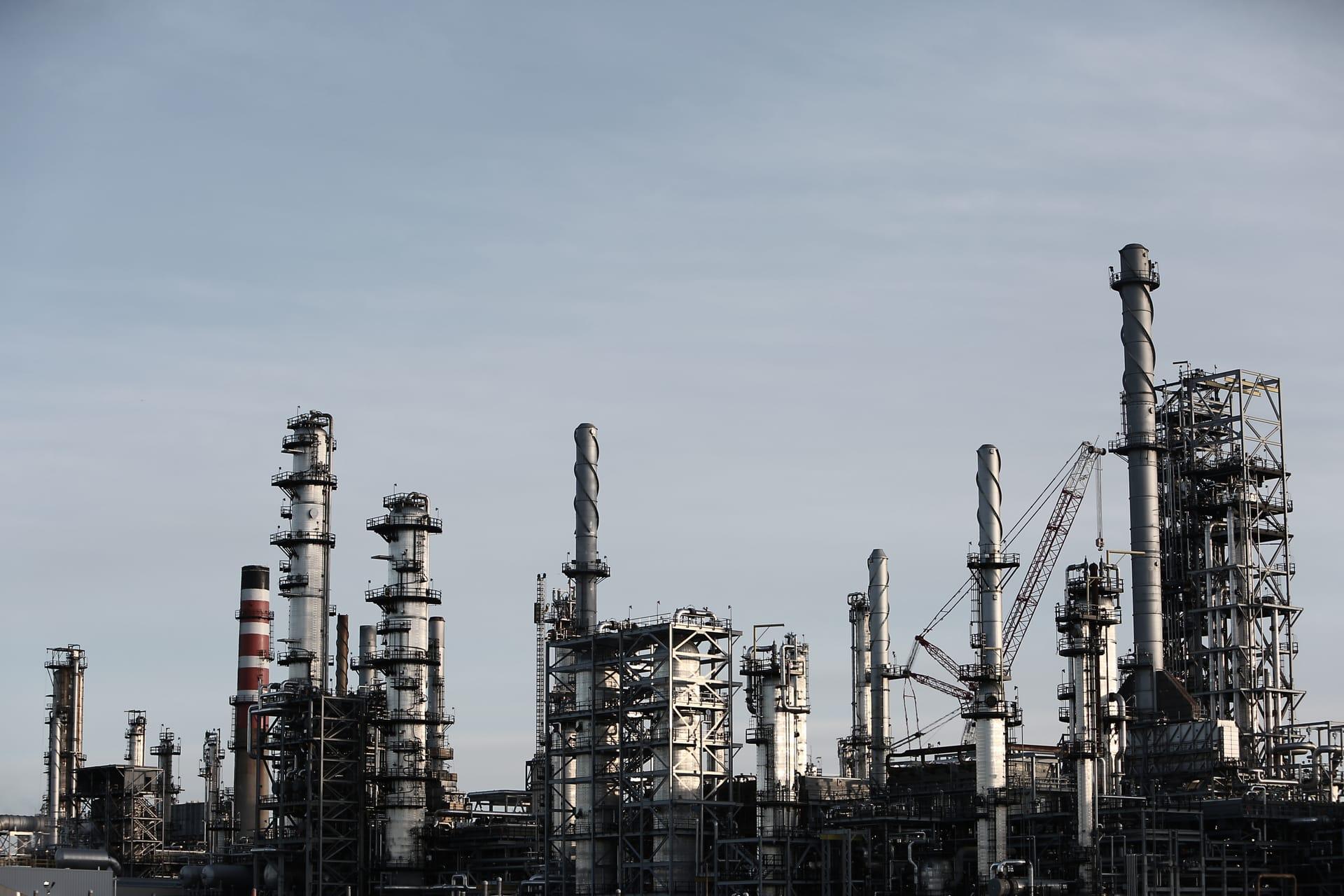
Microfiltración de Hidrocarburos
Patrones de alteración superficial sobre cuencas petroleras, reportados como indicadores y no como un hallazgo.
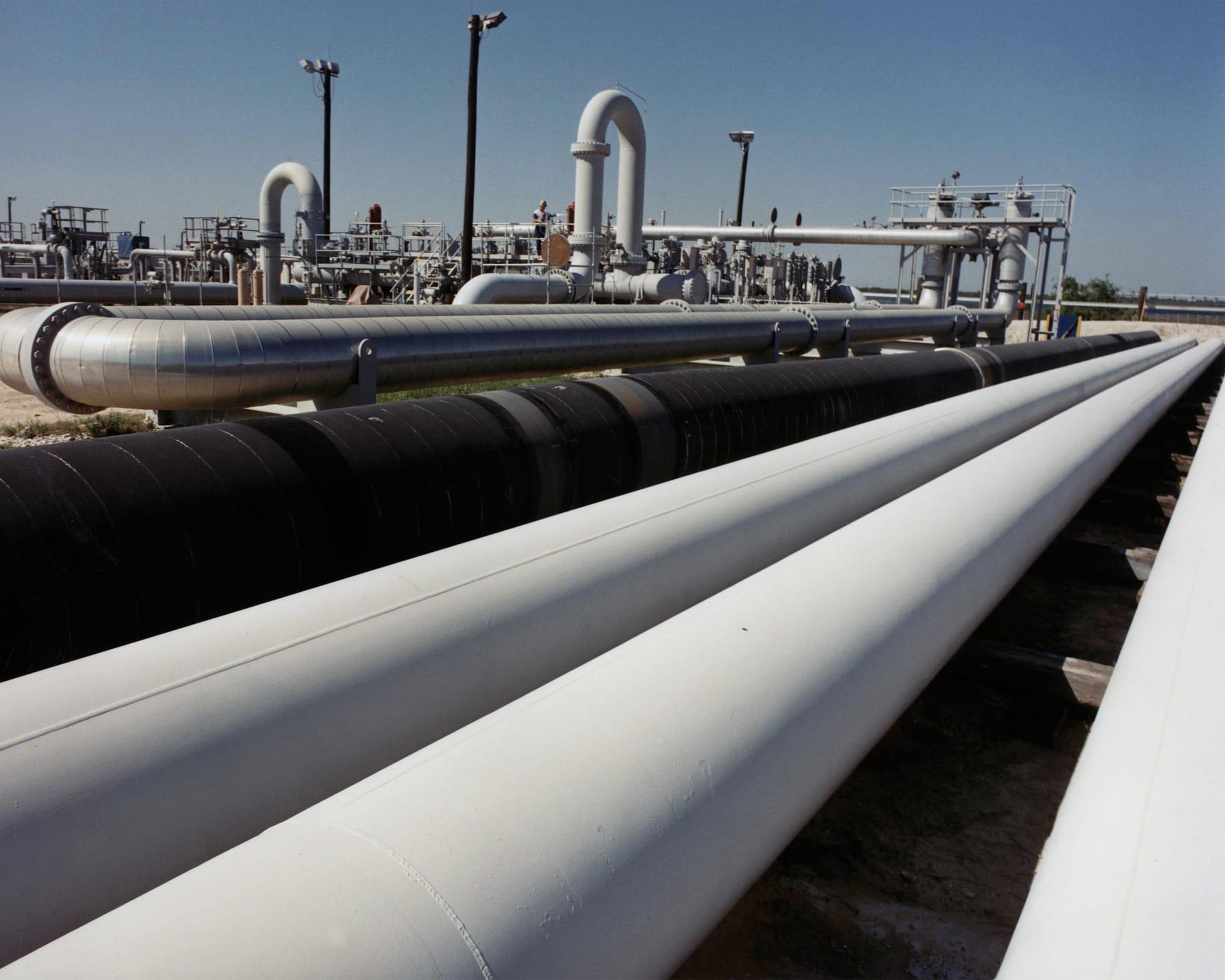
Estabilidad del Terreno en Corredores de Ductos
Sigue arcillas expansivas y humedad a lo largo de un corredor, para que las cuadrillas vayan adonde el terreno realmente se movió.