基础设施热惯量
由昼夜影像对得到的表观热惯量:致密材料对疏松填土。
昼夜热差分,按反照率归一化。致密材料散热比疏松填土慢。
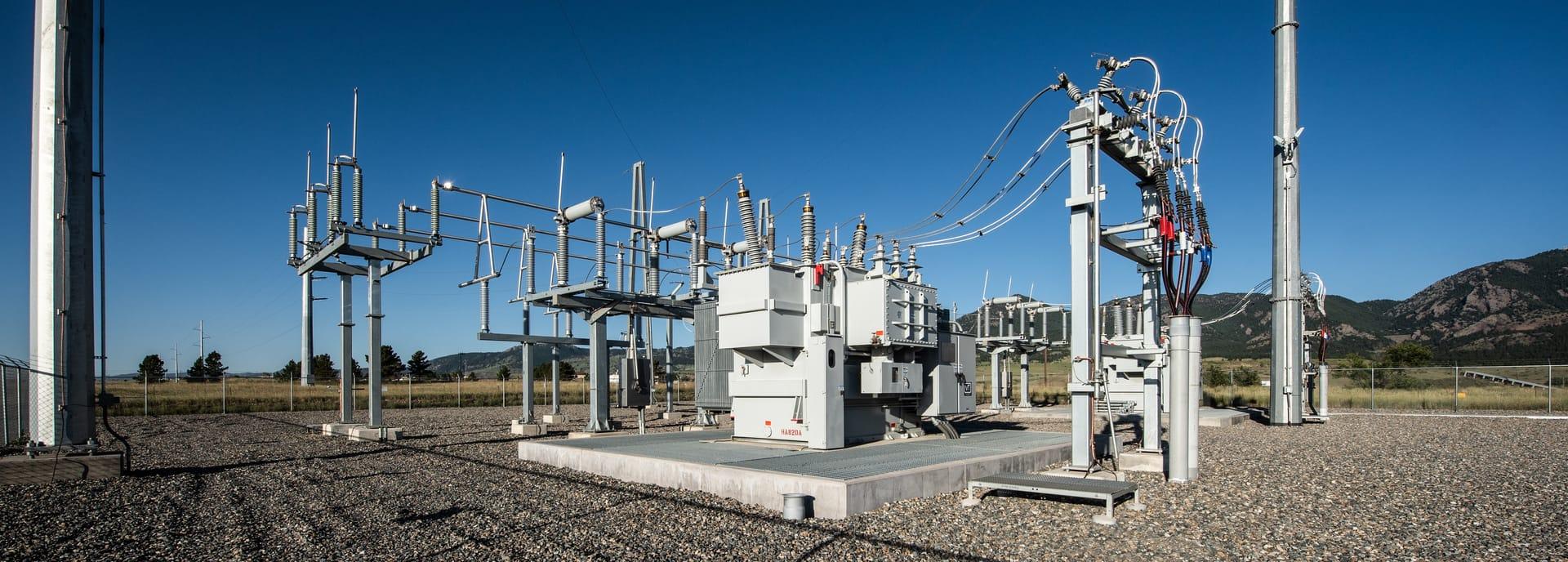
Apparent thermal inertia from a day and night pair: dense material cools slowly, loose fill cools fast.
它能发现什么
它检测什么。
| 材料 | 典型产出环境 | 可能的混淆因素 |
|---|---|---|
| Apparent Thermal Inertia (ATI) Anomalies | Civil infrastructure corridors, foundation pads, runway subgrades, and shallow buried utilities | Surface wind gusts altering convective heat transfer |
方法
工作原理。
输入校准反射率,每个像元都对照公开参考库进行拟合。
Pairing a day and a night pass
The midday and pre-dawn acquisitions are placed on a common grid. Both must cover the same ground inside one diurnal cycle, which is the constraint that makes this hard to procure rather than hard to compute.
Broadband albedo
Optical bands are integrated into a broadband albedo, which sets how much solar energy the surface took in during the day.
Apparent thermal inertia
ATI = (1 - α) / (T_day - T_night). The word apparent is load-bearing: this is a proxy for heat capacity and conductivity, not a measurement of either.
Segmentation into high and low inertia
Dense material separates from loose fill. What causes the contrast is an interpretation the map cannot make for you.
技术规格
您得到什么,它在什么数据上运行。
所需环境条件
Method and checks are documented in Axine Applied Spectroscopy Technical Whitepaper · Series 5.
适用边界
Both passes have to be cloud-free and calm. Wind at night masks the signal this depends on.