
Gossan e Especiação de Óxidos de Ferro
Hematita e goethita separadas uma da outra, com a leitura de hidroxila carregada em paralelo como classe férrica.
Separa hematita de goethita e reporta a leitura associada de ferro-hidroxila como classe férrica.
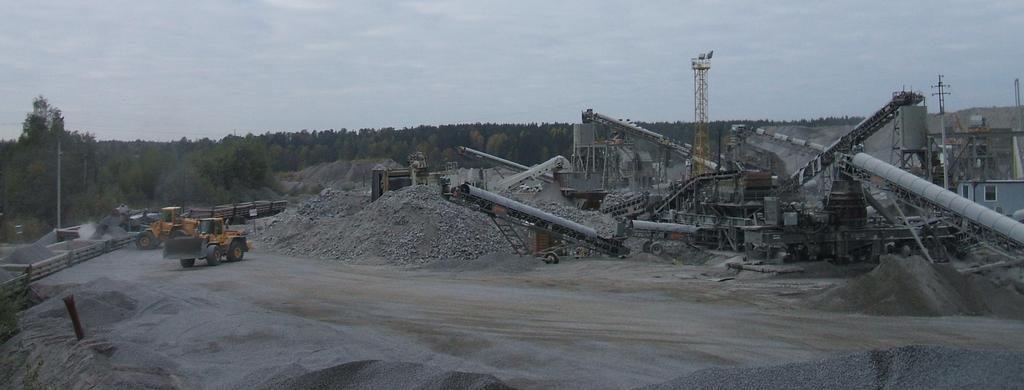
Iron ore workings. The layer separates hematite from goethite across ground like this.
O QUE O SENSOR VÊ
O que esta camada procura.
A referência de laboratório de cada material, e o que o espaçamento de bandas do sensor captura dela. A faixa sombreada marca o intervalo que o método lê.
O QUE ELA ENCONTRA
O que ela detecta.
| Material | Contexto típico | O que pode confundi-la |
|---|---|---|
| Ferric hydroxyl class (jarosite is one candidate of roughly thirty) | Supergene capping over sulfide systems | Copper carbonates, opal and dolomite all pass this gate; organic soil flattens the curve |
| Hematite vs Goethite | Oxidized iron caps and leached zones | Atmospheric aerosols and dust haze |
MÉTODO
Como funciona.
Entra reflectância calibrada, e cada pixel é ajustado contra uma biblioteca pública de referência.
Visible and infrared read at one product level
Both ranges are taken from the same surface reflectance product, so the ferric and hydroxyl readings sit on a common radiometric footing.
Iron absorption position fitting
Fits the iron absorption minimum, which sits in a different place for hematite than it does for goethite.
Iron-hydroxyl depth
A continuum-removed depth is computed on fixed shoulders. It is reported as a lumped ferric hydroxyl class, and no single mineral name is attached to it.
Ferric ratio mapping
Outputs the ratio between the hydroxyl class and the ferric oxides, which tracks how leached a cap looks.
ESPECIFICAÇÕES
O que você recebe, e sobre o que ela roda.
Condições de que precisa
Method and checks are documented in Axine Applied Spectroscopy Paper #1 · Section 8.2.
Escopo
Reads surface iron and its hydroxyl coatings, reported as a ferric class rather than a single named mineral.
EXECUTE SOBRE O SEU TERRENO
Execute esta camada sobre a sua própria área.
Solicite processamento sobre a sua área de interesse, ou uma captura programada onde o acervo não tiver nada utilizável. O acesso às imagens de satélite nunca é cobrado: um plano compra os modelos.
ANALÍTICAS COMPLEMENTARES
Camadas relacionadas.
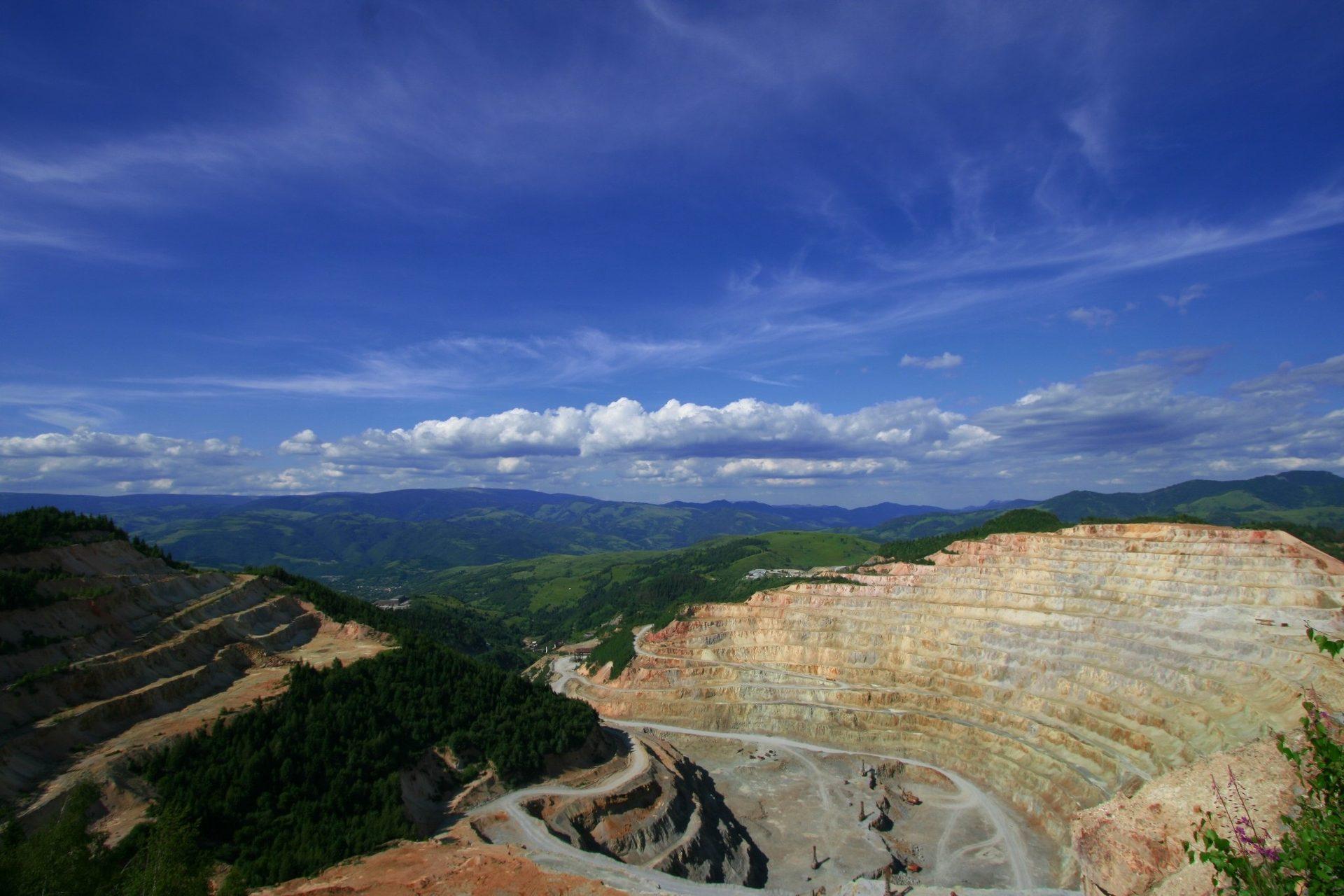
Mapeamento Mineral de Alteração
Mineralogia de alteração por pixel separando assembleias argílicas avançadas, filíticas e propilíticas.
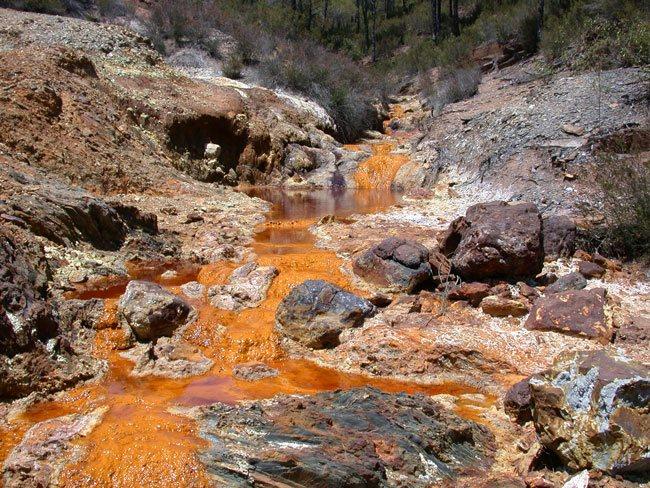
Triagem de Drenagem Ácida
Triagem de revestimentos de precipitados ao longo de canais de descarga, com um piso férrico condicionando a leitura.
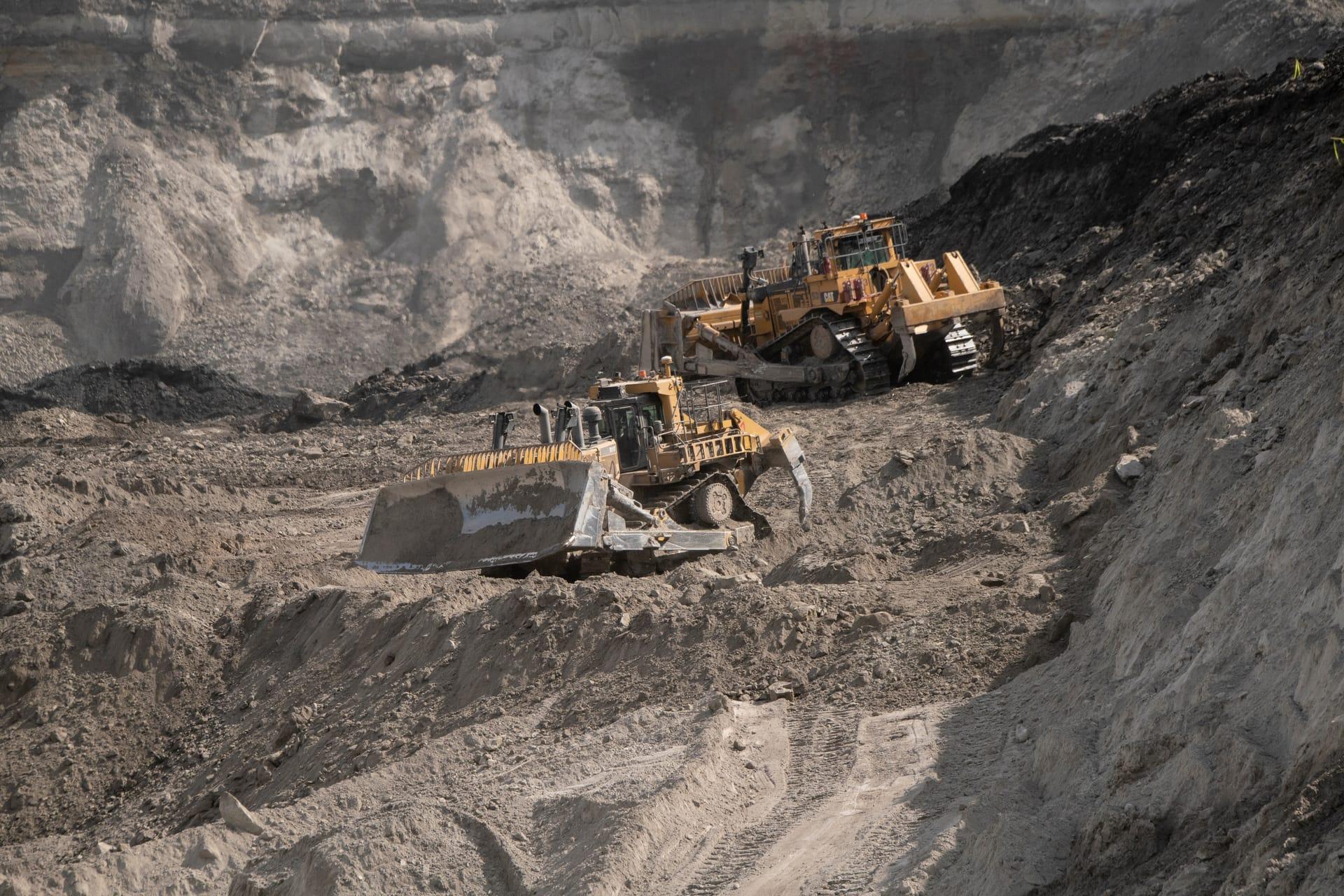
Vetorização de Pórfiro Cu-Au
Vetoriza rumo ao centro hidrotermal acompanhando como a composição da mica branca muda ao longo do distrito.