
PERFIL DE SECTOR · CALIDAD DEL AGUA Y MEDIO AMBIENTE
Cribado de calidad del agua en toda una cuenca.
Elija un lago, un embalse o un canal de descarga y reciba pigmento cianobacteriano, turbidez por sedimentos, recubrimientos de hierro o terreno húmedo en un terraplén de relaves.
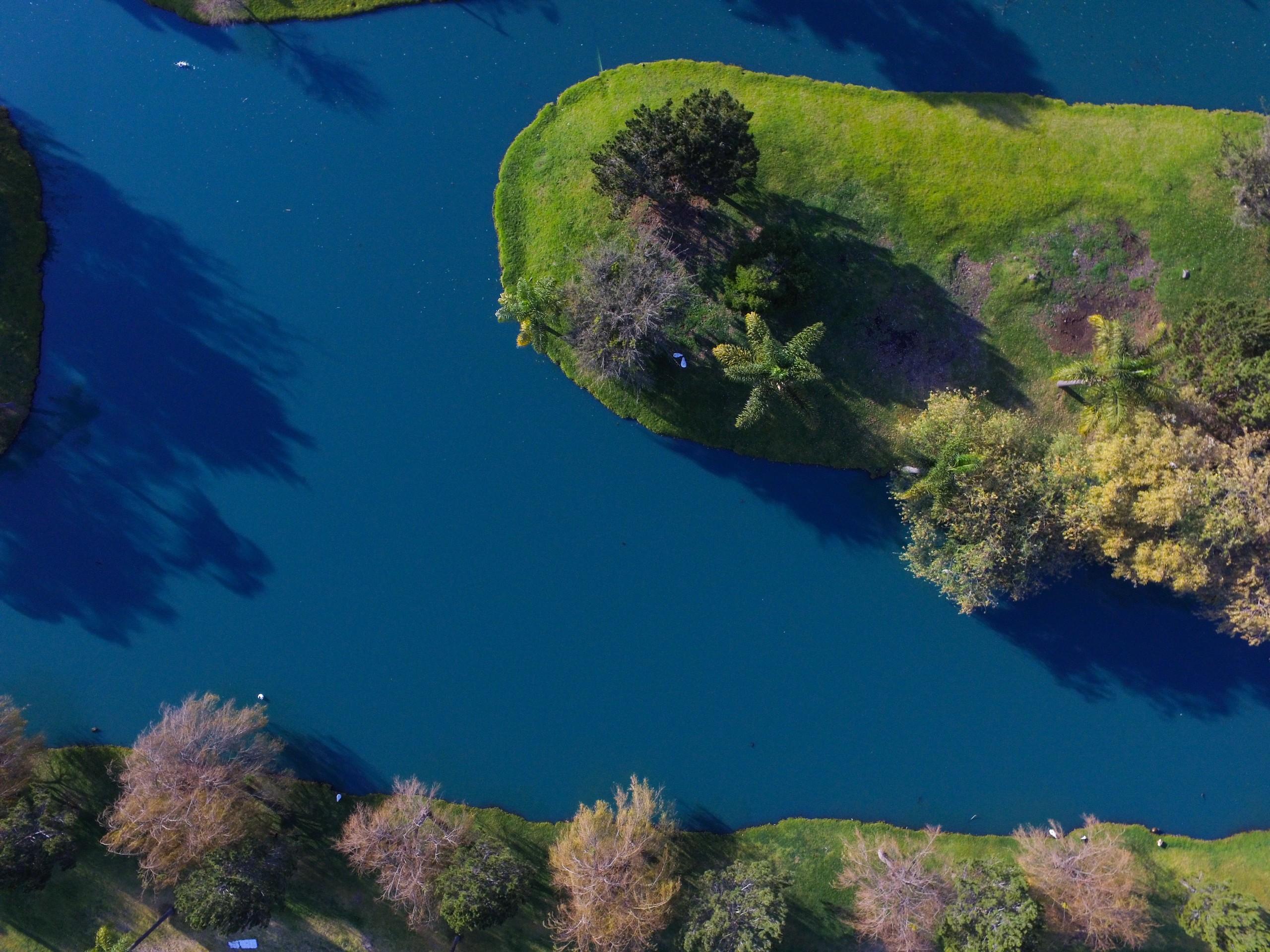
What people bring us, and how we handle it.
Cianobacterias frente a algas verdes inofensivas
El NDVI de banda ancha no puede distinguirlas en un embalse interior, así que desde la órbita todos los florecimientos se ven iguales.
Una lectura de pigmento en banda estrecha separa las cianobacterias de las algas verdes comunes, de modo que un florecimiento tóxico se marca como lo que es.
Seguir el drenaje ácido aguas abajo
Las muestras puntuales dan puntos. La escorrentía difusa en una cuenca grande se escapa entre ellos.
El SWIR submétrico mapea los recubrimientos secundarios de hierro y sulfato a lo largo de los lechos de los canales, reportados como una sola clase férrica en lugar de un mineral con nombre.
Filtraciones en un terraplén de relaves
Una inspección visual tiende a pasar por alto la humedad que aflora hasta que el muro ya empezó a asentarse.
La profundidad de humedad SWIR entre fechas marca el terreno que sigue húmedo en el muro aguas abajo. Pida a Lisaris que vuelva a ejecutar el par cada vez que llegue una escena nueva. La alerta se mantiene con carácter consultivo.
WORKED EXAMPLE
Case study: Cribado de cianobacterias y turbidez en el lago Erie
Cribado bioóptico de pigmento cianobacteriano y plumas de sedimento en la cuenca occidental del lago Erie.
Umbral por nivel de producto, luego el destello
Solo se aceptan productos de reflectancia emergente del agua. Un producto corregido para tierra sobre agua devuelve números que parecen razonables y son incorrectos, así que se rechaza.
Sustracción de línea base de ficocianina
Una sustracción de línea base en banda estrecha da la altura de la absorción del pigmento. No se recupera la densidad celular.
Serie temporal sobre el cuerpo de agua
Un punto por adquisición, ordenado por hora en tierra, con los vacíos dejados a la vista en lugar de rellenados.
Lo que usted recibe
Rásteres de cribado que nombran el ajuste publicado detrás de cada capa.
APPLICABLE SOLUTIONS
Layers that fit this sector.
Ready to run over your area, with no configuration step in between.
Calidad de Aguas Superficiales
Cribado de pigmento y turbidez en aguas interiores, con ajustes publicados aplicados sin cambios.
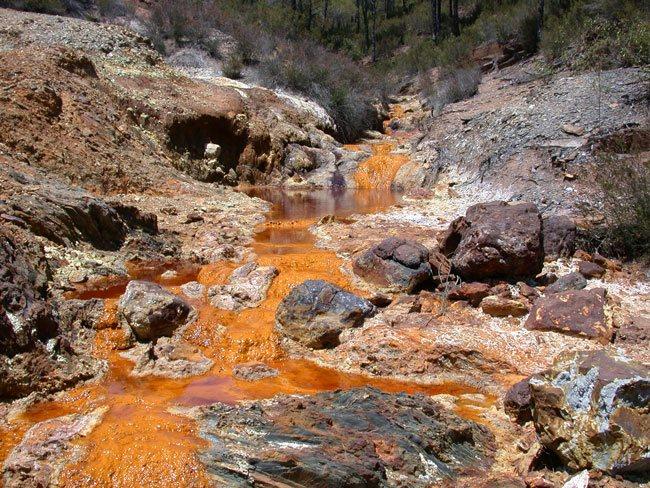
Detección de Drenaje Ácido
Cribado de recubrimientos de precipitados a lo largo de canales de descarga, con un piso férrico condicionando la lectura.
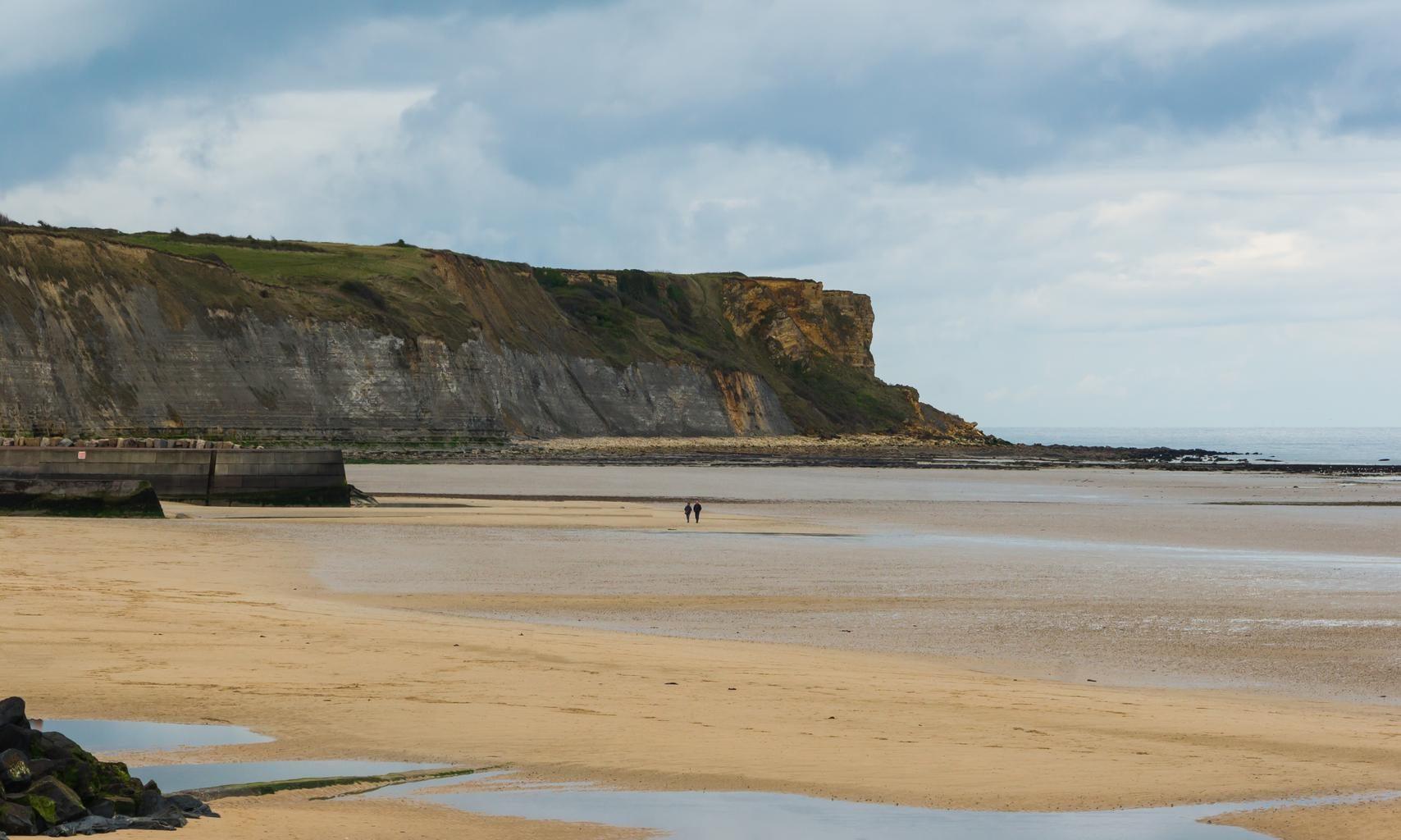
Anomalía Térmica de Descarga de Agua
Contraste de temperatura de brillo en puntos de descarga, contra una línea base local tomada del agua circundante.
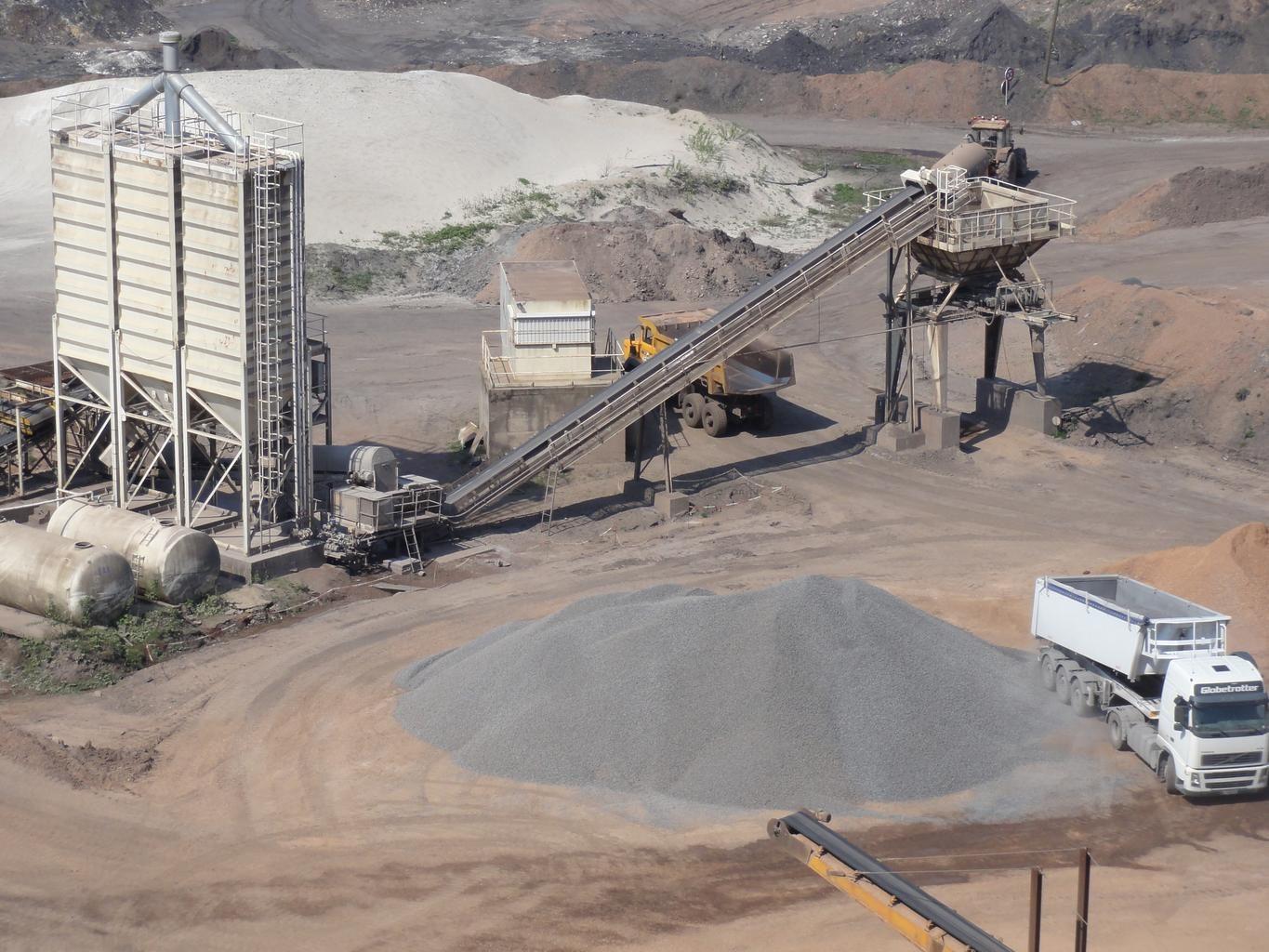
Estabilidad y Filtraciones de Presas de Relaves
Monitorea humedad y meteorización de sulfato en caras expuestas del terraplén, diferenciadas entre fechas.
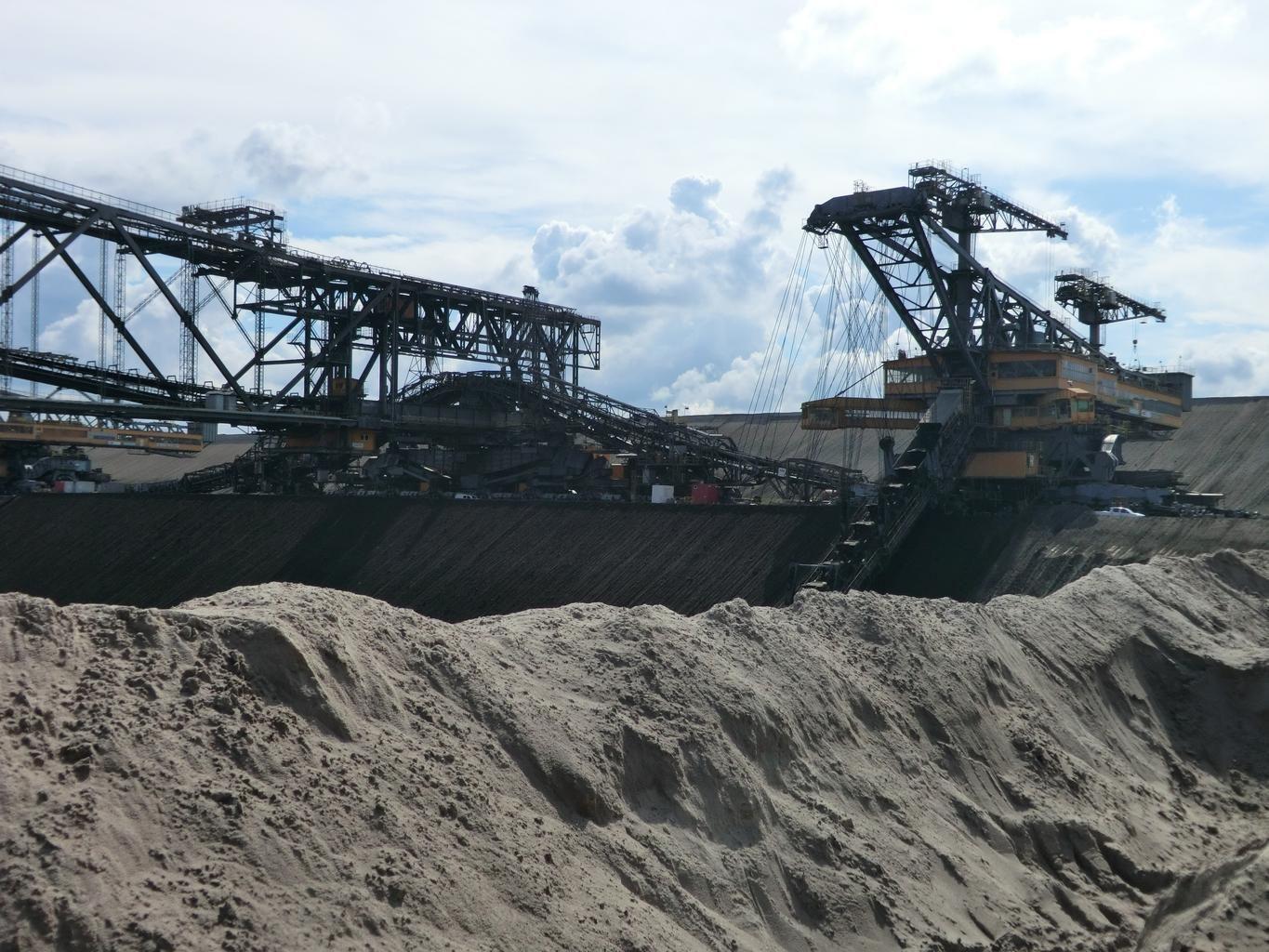
Huella Minera y Perturbación
Perturbación superficial multitemporal, límites de relaves y huellas de botaderos, medidos entre fechas.
APPLIED SPECTROSCOPY SERIES
Read the method in full.
The unmixing equations, the error propagation, and the validation behind each layer, written out for your own review.
The Spectral Advantage in Water Quality
Algoritmos bioópticos para el monitoreo de aguas interiores mediante detección hiperespectral.
FREQUENTLY ASKED QUESTIONS
Questions we get asked about this sector.
RUN IT OVER YOUR GROUND
Run this over your Calidad del Agua area.
Order processing over your area, or a dedicated capture where the archive has nothing usable. Ask Lisaris in plain language to take the area, run the pipeline and tell you when the layers are ready.