铁帽与铁氧化物物种识别
赤铁矿与针铁矿相互区分,羟基读数以三价铁类别一并给出。
区分赤铁矿与针铁矿,并将相关铁羟基读数以三价铁类别报告。
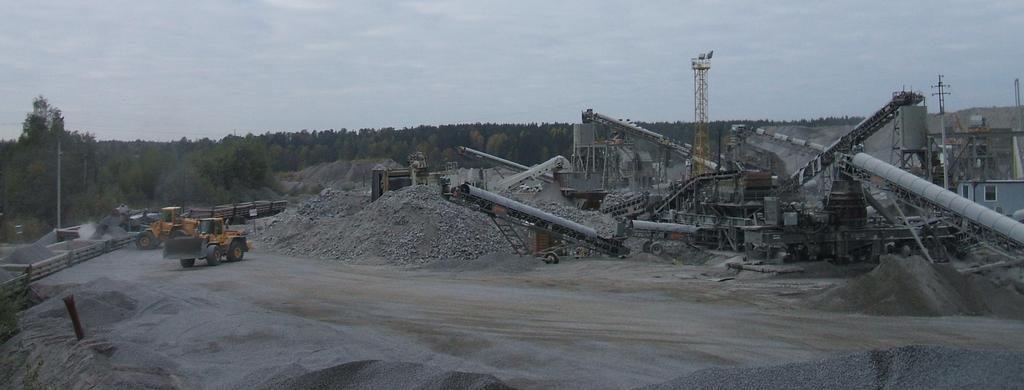
Iron ore workings. The layer separates hematite from goethite across ground like this.
传感器看到什么
这个图层在寻找什么。
每种材料的实验室参考光谱,以及传感器波段间隔能捕捉到的部分。阴影区标示方法读取的范围。
它能发现什么
它检测什么。
| 材料 | 典型产出环境 | 可能的混淆因素 |
|---|---|---|
| Ferric hydroxyl class (jarosite is one candidate of roughly thirty) | Supergene capping over sulfide systems | Copper carbonates, opal and dolomite all pass this gate; organic soil flattens the curve |
| Hematite vs Goethite | Oxidized iron caps and leached zones | Atmospheric aerosols and dust haze |
方法
工作原理。
输入校准反射率,每个像元都对照公开参考库进行拟合。
Visible and infrared read at one product level
Both ranges are taken from the same surface reflectance product, so the ferric and hydroxyl readings sit on a common radiometric footing.
Iron absorption position fitting
Fits the iron absorption minimum, which sits in a different place for hematite than it does for goethite.
Iron-hydroxyl depth
A continuum-removed depth is computed on fixed shoulders. It is reported as a lumped ferric hydroxyl class, and no single mineral name is attached to it.
Ferric ratio mapping
Outputs the ratio between the hydroxyl class and the ferric oxides, which tracks how leached a cap looks.
技术规格
您得到什么,它在什么数据上运行。
所需环境条件
Method and checks are documented in Axine Applied Spectroscopy Paper #1 · Section 8.2.
适用边界
Reads surface iron and its hydroxyl coatings, reported as a ferric class rather than a single named mineral.