
Qualidade de Águas Superficiais
Camadas bio-ópticas sobre águas interiores: pigmento de cianobactérias, clorofila e turbidez particulada.
Triagem de pigmento e turbidez sobre águas interiores, usando ajustes publicados aplicados sem alterações.
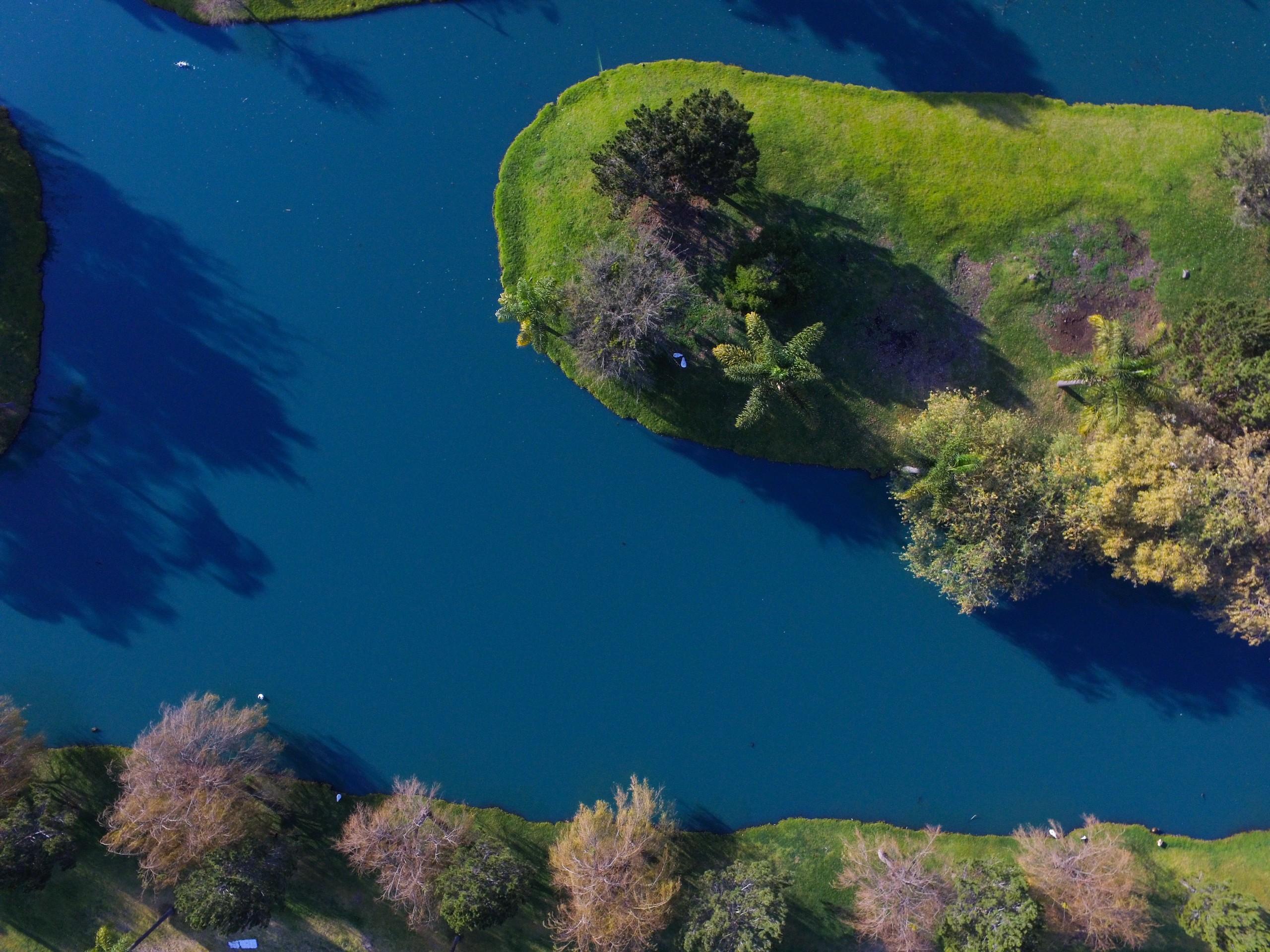
Bio-optical layers over an inland water body: cyanobacteria pigment, chlorophyll and particulate turbidity.
O QUE ELA ENCONTRA
O que ela detecta.
| Material | Contexto típico | O que pode confundi-la |
|---|---|---|
| Phycocyanin (Cyanobacterial Biomass) | Eutrophic inland lakes, reservoirs, and mine water retention dams | Coloured dissolved organic matter at the blue end |
| Total Suspended Solids (TSS) & Turbidity | Catchment runoff plumes and river deltas | Sun glint and shallow water benthic reflectance |
MÉTODO
Como funciona.
Entra reflectância calibrada, e cada pixel é ajustado contra uma biblioteca pública de referência.
Product level gate
Only water-leaving reflectance products are accepted. A land-corrected reflectance product over water produces numbers that look entirely reasonable and are wrong, so the gate is keyed on product level rather than on which bands the sensor happens to carry.
Glint and adjacency handling
Surface glint is removed and the land boundary effect is corrected before any pigment is estimated.
Narrowband pigment baseline
The pigment signal is taken against a baseline drawn from the channels either side of it.
Domain refusal and masking
Land, cloud shadow and shallow water are masked. Where the water falls outside the domain the published fit was derived for, the layer returns a stated reason instead of a number.
ESPECIFICAÇÕES
O que você recebe, e sobre o que ela roda.
Condições de que precisa
Method and checks are documented in Axine Applied Spectroscopy Paper #3 · Section 4.3.
Escopo
A screening layer over open, optically deep water. Shallow bottoms and narrow channels are refused.
EXECUTE SOBRE O SEU TERRENO
Execute esta camada sobre a sua própria área.
Solicite processamento sobre a sua área de interesse, ou uma captura programada onde o acervo não tiver nada utilizável. O acesso às imagens de satélite nunca é cobrado: um plano compra os modelos.
ANALÍTICAS COMPLEMENTARES
Camadas relacionadas.
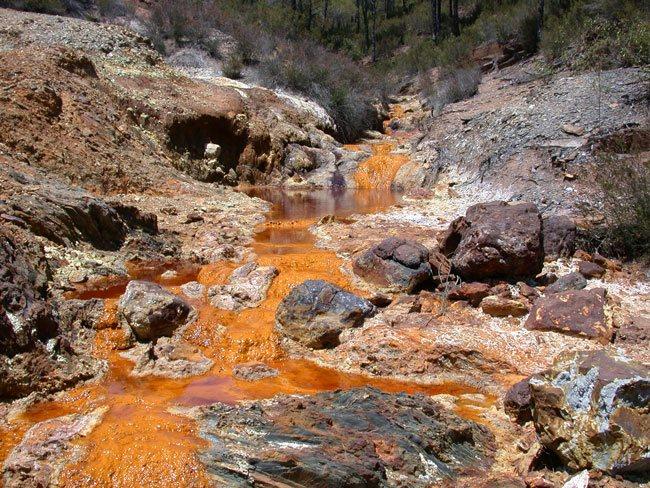
Triagem de Drenagem Ácida
Triagem de revestimentos de precipitados ao longo de canais de descarga, com um piso férrico condicionando a leitura.
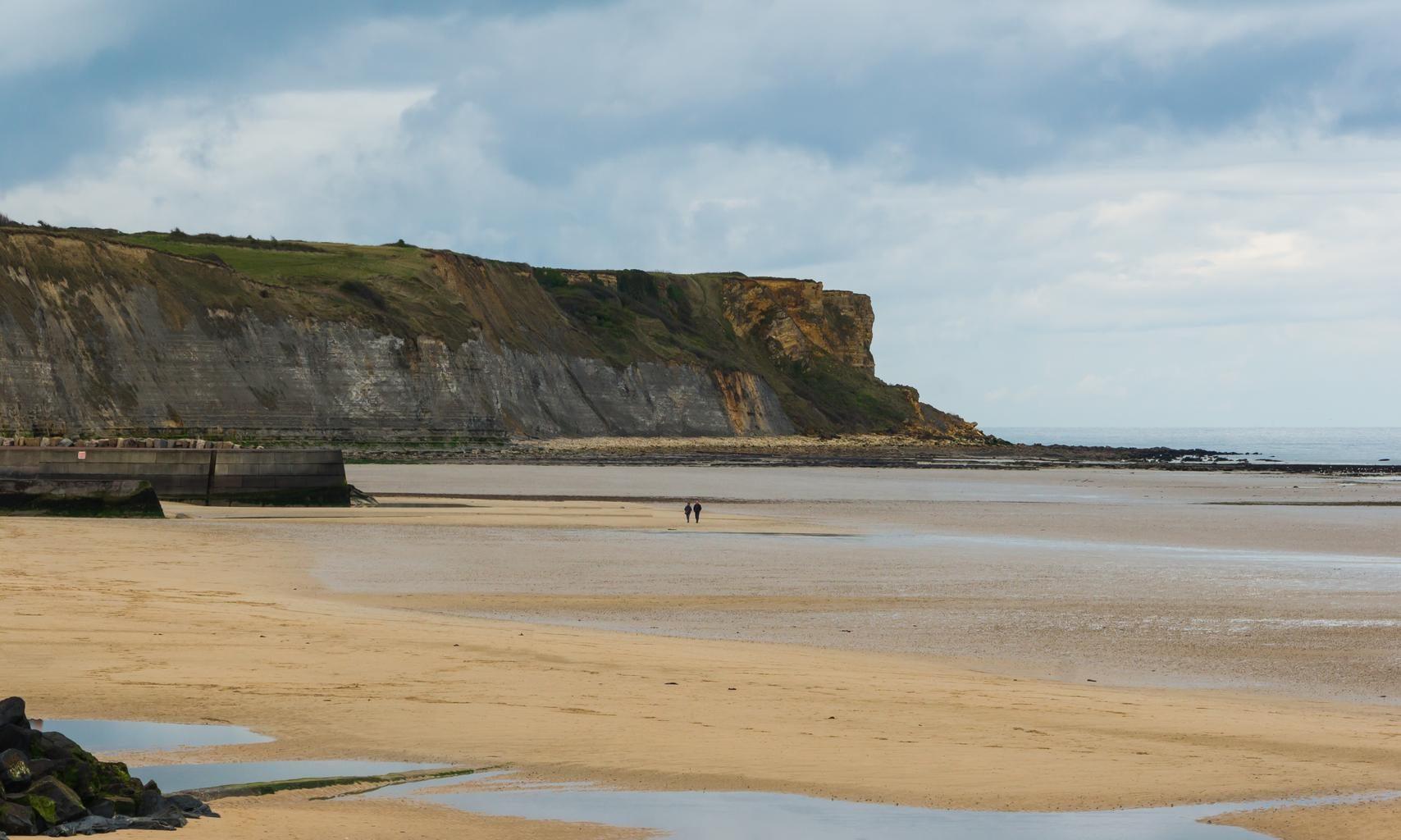
Anomalia Termal de Descarga de Água
Contraste de temperatura de brilho em pontos de descarga, contra uma linha de base local extraída da água circundante.
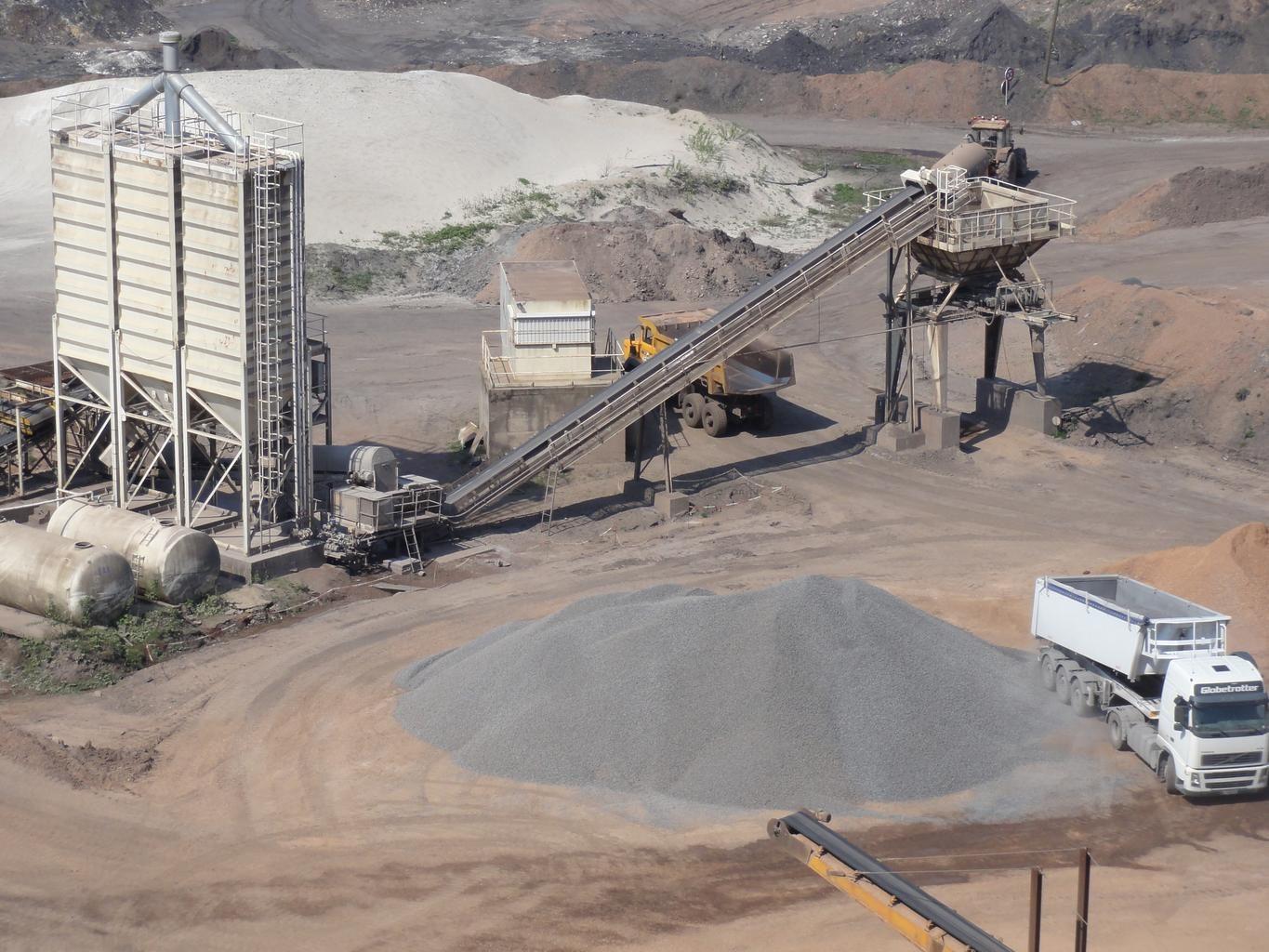
Estabilidade e Infiltração de Barragens de Rejeitos
Monitora umidade e intemperismo de sulfato em faces expostas de talude, diferenciados entre datas.